SSDLC: build security into every phase of your software development lifecycle
- Orchestrate the cybersecurity scanners your engineers already use
- Automated quality gates in every CI/CD pipeline
- One prioritized view of vulnerabilities across all applications
- Compliance evidence for ISO 27001, NIS2 and the Cyber Resilience Act
What is SSDLC? The secure software development lifecycle explained
SSDLC, short for secure software development lifecycle, is an approach that builds security into every phase of how software is made: planning, design, coding, testing, release and maintenance.
In a traditional SDLC, cybersecurity tends to arrive at the end, as a final round of checks before release. By then the software is written and the deadline is close, so every issue found is expensive to fix. A protected SDLC moves that work earlier and keeps it going. Teams define cybersecurity criteria alongside functional ones and identify potential threats while the design can still change. They follow protected coding standards and scan their own code and third-party components automatically. Vulnerabilities keep being managed long after release. The result is a repeatable process that helps organizations ship protected software and prove it when customers or auditors ask.
Cybersecurity criteria defined alongside functional needs
Threat modeling during design, not just a pentest before release
Automated SAST, SCA and SBOM checks on every build
Quality gates that decide what reaches production
Continuous vulnerability management after deployment
4
practice groups in the NIST protected Software Development Framework (SP 800-218): prepare the organization, protect the software, produce well-secured software and respond to vulnerabilities.
4
practice groups in the NIST protected Software Development Framework (SP 800-218): prepare the organization, protect the software, produce well-secured software and respond to vulnerabilities.
The challenge · Phases · How it works · FAQ
Why SSDLC programs break down at scale
Most organizations already run part of a secure development lifecycle. One team scans its repositories with SAST and another checks third-party dependencies. A DAST scanner runs before major releases, and a secure development policy has been approved. For a handful of applications, that works. With dozens of engineering teams, hundreds of repositories and several cybersecurity scanners, it stops working. Every tool reports its own findings. Nobody can see the cybersecurity posture of an application as a whole, and urgent issues wait for someone to review them by hand.
The missing piece is rarely another scanner. It is a process that connects the scanners you have, applies the same security standards to every team, decides which vulnerabilities are crucial and records each decision so it can be shown to an auditor.

The phases of the SSDLC and the security practices in each one
Security requirements and protected design
Security starts before the first line of code. Teams translate business and regulatory needs into cybersecurity requirements and identify threats against the planned architecture, so it is protected by design rather than patched later.
- Security criteria based on business criticality and the data it handles
- Threat modeling to map trust boundaries and abuse cases
- Architecture standards such as OWASP ASVS and the OWASP Top 10
- Regulatory obligations from ISO 27001, NIS2, PCI DSS or the CRA
- Cybersecurity acceptance criteria for every release
Prevents insecure design decisions that later force a costly redesign.
Secure coding and code analysis
While writing software, developers follow secure coding practices and get feedback while they work, not weeks later in a cybersecurity review. Scanning covers both in-house code and the third-party components it depends on.
- Safe programming guidelines for each language and framework
- Static application cybersecurity testing (SAST) on every repository
- Software composition analysis (SCA) of dependencies
- Peer review with cybersecurity criteria
- Secrets and credentials kept out of repositories
Prevents vulnerable code and dependencies from reaching the main branch.
Protected builds, security testing and quality gates
Every build is a checkpoint. The pipeline records which components the software contains and probes the running app. It then checks the results against your security policy, so only builds that meet it move forward.
- A software bill of materials (SBOM) in a standard format such as CycloneDX
- Dynamic application security testing (DAST) in staging
- Findings from every scanner consolidated and deduplicated
- Security policy evaluated by project, severity and environment
- An automated quality gate that passes, warns or blocks
Prevents a known critical vulnerability from reaching production without an explicit decision.
Protected releases and continuous vulnerability management
A secure SDLC doesn’t end at go-live. New vulnerabilities are disclosed every day in components that are already running in production. They need owners, deadlines and metrics that feed back into the next engineering cycle.
- Protected configuration of environments and release pipelines
- Continuous rescanning of applications and third-party components
- Remediation SLAs based on severity
- Escalation of overdue c vulnerabilities
- Security posture metrics for engineers and leadership
Prevents vulnerabilities found after release from going unowned and unfixed.
SSDLC tools: the security testing behind every secure release
SAST
SAST inspects codebase without running it. It identifies issues such as injection flaws or missing input validation while developers are still writing it.
SCA
SCA inventories third-party components in your applications and flags known vulnerabilities. It is the foundation of software supply chain security.
SBOM
A software bill of materials is a machine-readable list of every component in a build. When a new vulnerability is published, it shows you within minutes which apps are affected.
DAST
DAST probes the running application from the outside, as an attacker would. It finds problems that only appear at runtime, such as misconfigurations or weak authentication.
SSDLC frameworks and security standards
NIST SSDF (SP 800-218)
An outcome-based set of protected engineering practices for any organization that builds or buys software.
- Four practice groups: PO, PS, PW and RV
- A practical checklist to measure SDLC coverage
OWASP SAMM
An open maturity model to assess your current software security practices and plan improvements in stages.
- Baseline maturity assessment by practice
- An incremental, measurable roadmap
Regulation and compliance
ISO 27001, NIS2, PCI DSS, GDPR, Spain’s ENS and the EU Cyber Resilience Act all expect you to manage vulnerabilities and prove it.
- CRA vulnerability reporting in force since 11 September 2026
- OWASP Top 10 as a shared technical baseline
SSDLC best practices for development and security teams
Six practices that help organizations run a secure SDLC that engineers actually follow.
For products within the CRA’s scope, manufacturers must submit an early warning of an actively exploited vulnerability without undue delay and within 24 hours of becoming aware of it.
Unless the relevant information has already been provided, manufacturers must submit the vulnerability notification without undue delay and within 72 hours of becoming aware of the actively exploited vulnerability. A current SBOM and a clear owner for every application are what make these deadlines realistic.
“Security is a property of the whole delivery process, not a review on release day.”
Protected by design principle
- Shift security left
Define security criteria and threat models early, when fixing a flaw means changing a diagram rather than production code.
- Automate security testing
Run SAST, SCA and SBOM generation automatically on every change and build. Scanning should never depend on someone remembering to start it.
- Secure the software supply chain
Keep an inventory of the open source components in each application and track new vulnerabilities in them long after release.
- Prioritize by risk, not by volume
Combine severity with business criticality, exposure and the data involved, so teams fix what matters most before working through the backlog.
- Enforce policies with quality gates
Start in warn mode so teams can adapt. Then block builds that break the security policy on critical applications.
- Measure and keep evidence
Track remediation times, SLA adherence and unresolved vulnerabilities per team, and keep the audit trail that compliance reviews depend on.
risk modeling
Threat modeling: identify risks before attackers do
Threat modeling is the most practical approach to understanding where an attack could hurt you. It helps organizations identify threats early, rank them by potential impact and turn each one into clear requirements.
Map your data flows
Start by mapping how data moves between users, services, third parties and storage. Include every trust boundary and every place where personal or payment data lives, so the analysis reflects how things really work.
Identify risks
Review each component with a structured approach such as STRIDE to identify risks: spoofing, tampering, data leaks, denial of service or privilege escalation. Each risk gets a short description and the asset it targets.
Rate the potential impact
Score every risk by likelihood and potential business impact, including regulatory exposure. The best threat models are short, ranked and easy to revisit, not long documents nobody reads.
Turn risks into requirements
Convert the most relevant risks into requirements with an owner and a deadline, and include them in the backlog. Implementing them early costs far less than fixing them in production, and the record helps when auditors ask for evidence.
Already running security scanners, but missing a governed SSDLC?
SecuenceIQ doesn’t replace your SAST, SCA or DAST tools. It orchestrates them, brings their findings into one place and applies your security policies consistently across every team and pipeline.
Why organizations choose SecuenceIQ to run their SSDLC
WHAT IT DOES
ASPM and SDLC process orchestration
HOW IT’S DEPLOYED
On-premise, inside your infrastructure
WHO IT HELPS
CISOs, AppSec and DevSecOps leaders
YOUR DATA
Stays within your perimeter
We help organizations turn scattered security efforts into one governed SDLC process, where every weakness is identified, prioritized, owned and fixed, with the evidence to prove it.
Most security programs don’t stall for lack of scanners. They stall because results stay in silos, potential threats surface too late and nobody can show auditors a consistent process. SecuenceIQ connects the scanners and repositories you already rely on, so implementing a governed SDLC doesn’t mean replacing what already works.
The platform runs on-premise, so your vulnerability data stays inside your infrastructure unless you decide to connect an external service. Our AppSec specialists help your department define policies, adopt best practices and map controls to the frameworks auditors expect, from ISO 27001 and NIS2 to the Cyber Resilience Act.
How SecuenceIQ orchestrates and governs your SSDLC
An application security posture management (ASPM) layer that sits on top of the scanners you already use. It connects your repositories, runs security scans automatically, consolidates findings and enforces policies from commit to production.
Application inventory and risk context
Each application and project is registered with its technology, environment, owning department and business criticality. That context makes it possible to prioritize findings by real risk and apply the right policy to each one.
Automated analysis with sensors
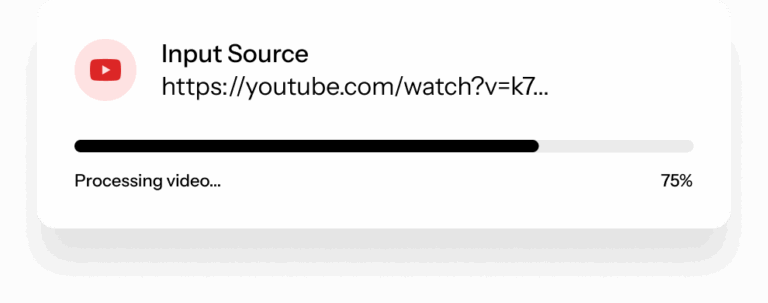
Sensors run alongside your security tools. They obtain project code when required for configured code and dependency analyses (SAST, SCA and SBOM). Dynamic tests (DAST) use the configured running application target. Results are sent back to SecuenceIQ. No manual scans and no exported reports.
Consolidation, prioritization and triage
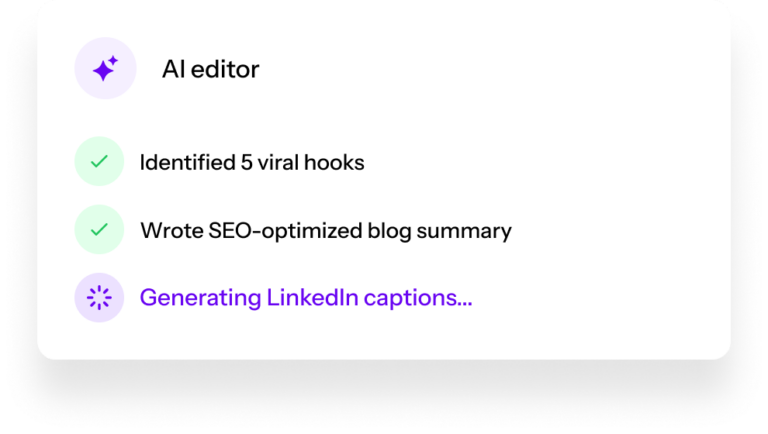
Findings from every tool are normalized, deduplicated and correlated in a single dashboard. AppSec marks each one as confirmed, false positive or exception. Every decision records who made it and why.

Quality gates, tickets and reporting
Before deployment, your CI/CD pipeline checks the project’s security policy through the API and gets a clear answer: passed, warn, failed or blocked. Confirmed vulnerabilities become tickets in Jira, Trello or ServiceNow, and KPIs, SLAs and compliance reports stay up to date.
Automated SSDLC workflows in practice
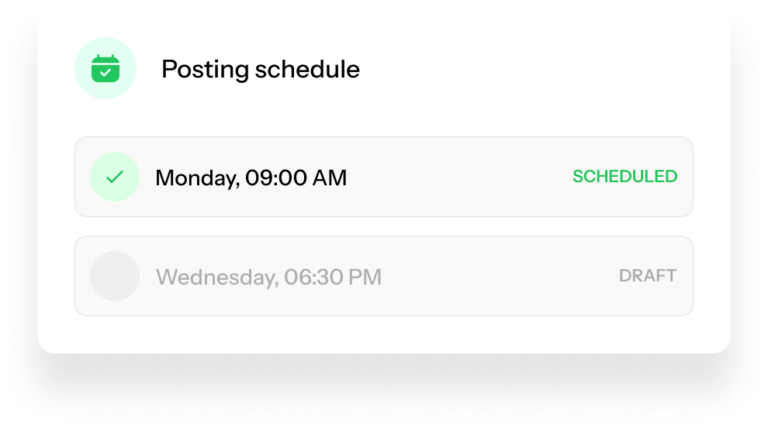
Three everyday situations in a protected SDLC, handled without manual follow-up.
Repository scans on every change
- New findings routed to the department that owns the code
Security check before deployment
- Passed deploys, warn alerts, blocked stops the release
Crucial vulnerability with an SLA
- Fixed on time, or escalated when the SLA is breached
Integrations for every phase of your SSDLC
- Repositories: GitLab, GitHub, Gitea, Azure DevOps Repos, Bitbucket and Subversion
- SAST: Fortify SCA, SonarQube, GitHub CodeQL and Veracode SAST
- SCA and SBOM: Dependency-Track, Snyk, Trivy, Syft, OSV-Scanner and CycloneDX
- DAST: OWASP ZAP
- Ticketing: Jira, Trello and ServiceNow
- Identity: LDAP, Microsoft Entra ID and local accounts
What each team gets from a governed SSDLC
Visibility, risk and compliance evidence
See the security posture of every application, how critical vulnerabilities evolve and which teams follow the process, with reports ready for the board and for auditors.
- KPIs by severity, department and application
- Evidence mapped to ISO 27001, NIS2, CRA and ENS
Less noise, faster triage
Findings from every security tool in one place, deduplicated and prioritized, with traceable triage decisions and remediation SLAs by severity.
- False positives and exceptions handled once
- Policies by project, severity and environment
Security inside the pipeline
Quality gates your pipeline can query through the API, and findings that reach the department that owns the code as tickets in the platforms it already uses.
- API tokens for CI/CD integration
- Warn mode before blocking builds
How to implement an SSDLC in your organization
Implementing a secure SDLC is a change in how teams work, not just a purchasing decision. The approach that works best is gradual: give engineers visibility first, then introduce policies in warn mode, and only then enforce blocking on high-impact applications. Each step is useful on its own and builds trust between security and engineering.
Assess
Inventory applications, departments and security tools, and measure your starting maturity against OWASP SAMM or the NIST SSDF.
Connect
Integrate repositories and existing security scanners to get a single, consolidated view of vulnerabilities.
Govern
Define security policies, remediation SLAs and quality gates, and run them in warn mode first.
Enforce
Block non-compliant builds on critical applications and track progress with clear KPIs.
SSDLC frequently asked questions
- Still have questions?
Tell us how your delivery process works today and we’ll show you where a governed SSDLC fits.
What is the difference between SDLC and SSDLC?
The SDLC describes the phases used to build software: requirements, design, development, testing, deployment and maintenance. An SSDLC keeps those same phases and adds security practices to each one. Examples include security criteria, threat modeling, secure coding, SAST and SCA scans, quality gates and vulnerability management after release.
What tools does an SSDLC need?
At a minimum, you need SAST for codebase, SCA and SBOM for open source components and the software supply chain, and DAST for the running application. Once several departments are involved, you also need a layer that consolidates findings, enforces policies and keeps an audit trail. That is the role of an ASPM platform.
Does SecuenceIQ replace my SAST, SCA or DAST tools?
No. It integrates with products such as Fortify, SonarQube, Veracode, Dependency-Track, Snyk and OWASP ZAP, runs their scans automatically and consolidates their results. Licenses for those products stay with your organization.
How does it integrate with a CI/CD pipeline?
Your pipeline calls a REST API with an API token to evaluate the project’s security policy. The result (passed, warn, failed or blocked) decides whether the release continues, raises a warning or stops. The platform is deployed on-premise, inside your own infrastructure.
Does an SSDLC help with NIS2, CRA or ISO 27001 compliance?
Yes. These frameworks expect organizations to manage software vulnerabilities, protect the data their applications process and demonstrate both. Findings and controls can be mapped to ISO 27001, NIS2, the CRA, PCI DSS, GDPR, ENS and the OWASP Top 10 to produce audit evidence. A platform supports compliance; it doesn’t replace certification.
- Still have questions?
Tell us how your delivery process works today and we’ll show you where a governed SSDLC fits.
See your secure development lifecycle in one place
In a demo, we show how findings from several security scanners are consolidated, prioritized by risk and turned into quality gates that decide what reaches production. If you’d rather test it with your own repositories and scanners, we can scope a proof of concept inside your infrastructure.