Cyber risk management for CEOs: turn cybersecurity into a business decision
- A board-level view of exposure in the software your business runs on
- Critical threats and vulnerabilities ranked by business impact
- Evidence for regulators, auditors, customers and insurers
- Deployed on-premise, so your data stays inside your organization
What is cyber risk management?
Cyber risk management is the process an organization uses to identify, assess and control the threats that could disrupt its business through technology: attacks on its systems, theft of customer data, failures at a third party, or a vulnerability in the software it sells or depends on. For a CEO, it turns cybersecurity from a technical topic into a business question: which cyber risks could hurt revenue, operations or reputation, and are we investing enough, in the right places, to keep them under control?
A mature cyber risk management program gives the board three things. A clear view of the organization’s key assets and the threats they face. A consistent approach to assess each threat by its potential impact, ideally in financial terms. And a process for deciding which risks to reduce, transfer or accept, with evidence that those decisions are being carried out.
Regulation has made this a leadership responsibility. Under the EU NIS2 Directive, management bodies must approve and oversee cybersecurity risk management measures and can be held accountable for failures. Managing cyber threats is now a standing item on the board agenda for enterprise organizations in every sector, not an IT footnote.
Cyber risk expressed in business and financial terms
A clear owner for every critical issue
One framework across business units and technology
Regular board reports on exposure and trends
Evidence ready for regulatory and compliance requirements
core functions in the NIST Cybersecurity Framework 2.0: Govern, Identify, Protect, Detect, Respond and Recover.
Why cyber risk is hard to manage at board level
Most CEOs receive cybersecurity updates full of technical metrics: number of vulnerabilities, patches applied, alerts blocked. None of them answers the question the board really asks: how exposed is the business, and is it getting better or worse?
Behind that gap sits a fragmented reality. Security tools produce thousands of findings, assessments live in spreadsheets, third-party suppliers are reviewed once a year and the software teams ship every week changes the picture faster than anyone can report on it. When a regulator, a key customer or an insurer asks for evidence, the organization spends weeks pulling it together.
Technical reports that don’t show business impact
No common level of exposure across business units
Third-party and supply chain risks reviewed too rarely
Decisions made informally and never recorded
Weeks of work to answer regulators, customers and insurers
The cyber risk management process, step by step

Step 1: govern and set the risk appetite
Cyber risk management starts at the top. The board and the CEO define how much exposure the business is willing to accept, who owns it and how often it is reviewed.
- A cyber risk appetite approved by the board
- Clear roles for the CEO, CISO, CIO and the owner of each business function
- A framework such as NIST CSF 2.0 or ISO 27001
- Cyber risk integrated into enterprise risk management
- Regular reporting to the board and the audit committee
Prevents cybersecurity from being managed without business direction.
Step 2: identify assets and assess risk
You can only protect what you know. Assessments map the organization’s key assets, systems, data and suppliers, and estimate the likelihood and impact of each threat.
- Inventory of critical assets, systems and data
- Threats and vulnerabilities assessed against each asset
- Third-party and supply chain assessments
- Qualitative or quantitative assessment of potential impact
- Privacy and regulatory exposure for each area
Prevents investment from going to low-impact risks while critical ones wait.
Step 3: treat each risk
Every significant issue needs a decision: reduce it with controls, transfer it through insurance or contracts, avoid it, or accept it. The key is that each decision is explicit and owned.
- Security controls prioritized by business impact
- Remediation of critical vulnerabilities with deadlines
- Cyber insurance and contractual transfer where it makes sense
- Formal acceptance of risks with an owner and a reason
- Incident response plans tested before they are needed
Prevents risks from staying open with nobody accountable for them.
Step 4: monitor, report and respond
The threat landscape changes every day. Continuous monitoring keeps the board informed and makes response faster when an incident happens.
- Key risk indicators reported to leadership
- Trends in exposure, not just activity metrics
- Incident response and recovery tracked and reviewed
- Compliance evidence from one source
- Lessons fed back into the program
Prevents a program that looks good on paper but fails under pressure.
The main sources of cyber risk for the business
Software and applications
The applications your business builds and runs are a prime target. A single vulnerability in customer-facing software can expose data and stop operations.
Third-party suppliers
Suppliers, cloud providers and open source components extend your attack surface. Third-party management checks that partners meet your security standards and requirements.
Data and privacy
Customer, employee and financial data carry privacy obligations. A breach brings regulatory fines, legal costs and lost trust.
People and process
Phishing, weak access control and unclear processes cause many incidents. Training and clear controls reduce that exposure.
Cyber risk management frameworks and standards
NIST Cybersecurity Framework 2.0
A widely adopted framework that helps organizations of any size and sector manage cybersecurity, now with a Govern function that puts leadership at the centre.
- Six functions from Govern to Recover
- A common language for the board
ISO/IEC 27001
The international standard for information security management, with a risk-based approach to selecting controls and a certification recognized by customers.
- Certifiable management system
- Risk-based selection of controls
Quantitative models
Approaches such as FAIR express cyber risk in financial terms, helping CEOs compare cybersecurity investment with other business decisions.
- Exposure in money, not colours
- Better budget decisions
Cyber risk management best practices for CEOs and boards
Six practices that help leadership treat cyber threats as a business issue and keep managing them over time.
For certain infringements by essential entities, NIS2 requires national law to provide for administrative fines with a maximum of at least €10 million or 2% of worldwide annual turnover, whichever is higher.
for an early warning to the authorities after a significant incident under NIS2.
“The board doesn’t need to understand every vulnerability. It needs to understand what is at stake.”
Cyber risk management principle
- Set a clear risk appetite
Agree at board level how much exposure the business is willing to carry, and review it at least once a year.
- Speak in business impact
Ask for reports in terms of potential financial and operational impact, not the number of alerts or patches.
- Know your critical assets
Focus protection on the systems, applications and data the business cannot run without.
- Manage third-party risk
Assess key suppliers before you sign and review them regularly, with security requirements in every contract.
- Prepare your response
Test incident response and recovery plans with leadership involved, so decisions are made quickly when it matters.
- Demand evidence
Make sure every control and decision leaves a trace that regulators, auditors and insurers can verify.
Your board asks how exposed the business is. Can you answer with data?
SecuenceIQ gives leadership a business view of exposure in the software your organization builds and runs, without replacing the security tools your teams already use.
Why CEOs choose SecuenceIQ for cyber risk management
Software visibility and governance
On-premise, inside your organization
CEOs, boards, CISOs and risk leaders
Stays within your perimeter
We help organizations and their leadership teams turn technical security findings into a clear, business view of their software, so every critical issue has an owner, a deadline and a recorded decision.
SecuenceIQ covers the application layer of your cyber risk management program. It orchestrates the security tools your teams already use, consolidates their results per application and applies the same controls and policies to every team, giving the CISO and the board one consistent picture.
Because the platform is deployed on-premise, your code, findings and data stay inside your infrastructure. Our AppSec specialists help define the policies, deadlines and reports that match your appetite for risk, so leadership receives useful information from the first weeks.
How SecuenceIQ supports your cyber risk management program
A governance layer on top of your security tools that turns technical findings into business information for leadership.
Know your critical applications
Each application is registered with its owner, environments and business criticality, so every vulnerability can be assessed by its impact on the business.
Continuous security assessments
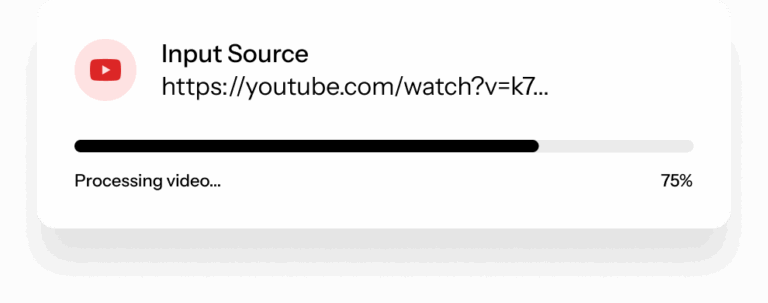
Sensors run your SAST, SCA, container and DAST tools automatically against each application and send the results back to the platform, with no manual work.

Controls that apply to every team
Findings are consolidated and prioritized per application, and quality gates apply the same security controls before every release.

Reports leadership can use
KPIs, trends and compliance reports show how the level of exposure evolves, giving the CISO and the board clear, evidence-based information.
Cyber risk management in practice
Three situations every CEO recognizes, handled with evidence instead of assumptions.
“Are we more or less exposed than last quarter?”
- A clear trend for the board, in business terms
Request for evidence of cybersecurity controls
- Evidence collected from one source
Critical vulnerability in a widely used component
- Every exposed application has an owner and a plan
Integrations behind your cybersecurity view
- Repositories: GitLab, GitHub, Gitea, Azure DevOps Repos, Bitbucket and Subversion
- SAST: Fortify SCA, SonarQube, GitHub CodeQL and Veracode SAST
- SCA and SBOM: Dependency-Track, Snyk, Trivy, Syft, OSV-Scanner and CycloneDX
- DAST: OWASP ZAP
- Ticketing and service management: Jira, Trello and ServiceNow
- Identity: Microsoft Entra ID, LDAP and local accounts
What each leader gets from cyber risk management
Cyber risk in business language
See which applications carry the most exposure, how it evolves and which risks have been accepted, with reports ready for the board.
- Exposure by business unit and application
- Evidence mapped to ISO 27001, NIS2, the CRA and ENS
One program, one source of truth
Findings from every security tool consolidated per application, with traceable decisions, deadlines and exceptions.
- Controls by application criticality
- Reports for audits and regulators
Speed with control
Development teams keep shipping while one policy and automated quality gates protect every release.
- Warn mode before blocking releases
- Tickets in Jira, ServiceNow or Trello
How to build a cyber risk management program the board can trust
The best programs grow step by step. Start with visibility, add business context, then introduce controls and reporting once the data is reliable. Each step reduces exposure on its own and builds confidence for the next.
Assess
Identify critical assets, applications and data, and agree on the business impact of each with leadership.
Connect
Bring findings from existing security tools into one place, consolidated per application.
Govern
Set controls, deadlines and the rules for accepting risks, aligned with the board’s appetite.
Report
Give the board regular, evidence-based reports on how threats and vulnerabilities evolve.
Cyber risk management FAQs
- Still have questions?
Tell us how your organization reports cybersecurity today and we’ll show you where SecuenceIQ fits.
What is cyber risk management?
Cyber risk management is the ongoing process of identifying, assessing, treating and monitoring the cybersecurity risks that could affect a business, from attacks and data breaches to failures at third-party suppliers.
Why should a CEO care about cyber risk management?
Because cyber incidents now have direct financial, operational and legal consequences, and regulation such as NIS2 makes management bodies accountable for overseeing cybersecurity risk management. The CEO sets the tone, the budget and the appetite for risks.
What is the difference between qualitative and quantitative cyber risk assessment?
A qualitative assessment rates risks on a scale such as low, medium or high. A quantitative assessment, using models such as FAIR, estimates potential losses in financial terms, which makes it easier to compare cybersecurity spending with other investments.
Which framework should we use?
Many organizations use the NIST Cybersecurity Framework 2.0 for structure and ISO/IEC 27001 for a certifiable management system. Other frameworks and standards, such as the CIS Controls, add prioritized actions. The right choice depends on your sector, regulators and customers.
How should third-party risk be managed?
Assess critical suppliers before signing, include security requirements in contracts and review them regularly. Open source components deserve the same attention, because a vulnerability in one library can affect many applications at once.
What does managing cyber risk look like in practice?
It is a continuous process, not a one-off project. Leadership sets the appetite and the framework, technology and security teams run assessments of systems, data and third-party suppliers, and every critical vulnerability or threat is treated with clear controls and deadlines. A good program reports regularly to the board, keeps its response plans tested and adapts its approach as technology, regulation and the business change.
What part of cyber risk does SecuenceIQ cover?
SecuenceIQ covers software and application risk: the code your teams build, the open source components it uses and the security of running applications. It gives leadership a business view of that exposure and the evidence to prove it is managed.
Does it help with regulatory compliance?
Yes. Findings and controls can be mapped to ISO 27001, NIS2, the CRA, PCI DSS, GDPR, ENS and the OWASP Top 10 to produce audit evidence. SecuenceIQ supports compliance but does not replace certification.
Is SecuenceIQ a cloud service?
No. It is deployed on-premise, inside your own infrastructure, so your code and data stay in your environment unless you choose to connect an external service.
- Still have questions?
Tell us how your organization reports cybersecurity today and we’ll show you where SecuenceIQ fits.
See your cyber risk in one place
In a demo, we show how SecuenceIQ turns findings from your security tools into a business view of the threats in your software, with the evidence leadership needs for the board, regulators and customers.